December 19, 2025
Kids Grow When Encouraged to Apply Effort to Any Problem, Reinforcing That It’s Effort That Gets Results. In the United States, it is common to hear the well-intentioned phrase, “Oh, you’re so smart,” or some variation of this statement, reinforcing in our children what Stanford University Psychologist, Carol Dweck, considers to be a fixed mindset; the notion that our basic abilities are immutable traits, and resistant to change over time. There is a high cost to such a way of thinking. One drawback is that children with a fixed mindset prefer to engage in activities that make them appear “smart,” while avoiding activities that threaten that image. In addition, they draw the conclusion that if they can’t complete a given task immediately, the task must be insurmountable and, therefore, not worthy of effort. Thus, persistence is decreased in activities for which they don’t display immediate competence. Instead, students respond with “I can’t do…,” or “I’m not good at…” To illustrate this point, Jin Li, a professor at Brown University, calculated the persistence of American and Japanese first-graders. He gave them an impossible math problem and recorded how long they worked on the problem before giving up. The American students persisted for an average of 30 seconds. The Japanese students, however, persisted for 60 minutes, which turns out to be an underestimate of their persistence since the researchers limited the sessions to 60 minutes. One can debate the merits of persistence to the level of the Japanese students, but few would disagree that American children would benefit from more persistence. At Stanford, Dweck has discovered that a child’s belief system can be shifted from a fixed mindset to a growth mindset, and that increasing persistence simply requires a small adjustment in language. Instead of saying, “I can’t do…,” say, “I can’t do… yet,” which implies that the skill can be achieved sometime in the future. This simple adjustment, along with explicitly teaching students that effort leads to positive physical changes in the brain, resulted in increased confidence and persistence among study participants. Regarding this process in students, Dweck has stated, “Before, effort and difficulty made them feel dumb, made them feel like giving up, but now, effort and difficulty, that’s when their neurons are making new connections, stronger connections. That’s when they are getting smarter.” To promote a growth mindset, Dweck recommends praising children for engaging in the process of learning, for persisting when met with challenges, and for improvement in performance, while avoiding trait-based reinforcement. Instead of saying, “You’re so smart,” say, “You worked really hard on that, and succeeded.” If a student says, “I can’t do it,” remind them, “You can’t do it yet. When something is difficult, it means your brain is growing, so keep trying.” Developing a growth mindset in tandem with grit and self-control creates what I refer to as the “trifecta of success.” Each is a worthwhile endeavor in the pursuit of excellence in ourselves and our children alike.

December 19, 2025
Use Your Skills Wisely and Morally to Help Yourself and Others. We have all heard stories of someone needing emergency help on a busy sidewalk ,and passersby act as if the person doesn’t exist. This all too common phenomenon is called the bystander effect. The probability of receiving help is inversely proportional to the number of bystanders. Ultimately, the more people around, the less likely one is to receive help from passersby. Many explanations have been proffered for the bystander effect. Here are a few: Bystanders assume someone else will help, otherwise known as diffusion of responsibility. Fear of injury Fear of liability Social Influence – Bystanders may assume that the situation isn’t serious since others aren’t responding.

December 19, 2025
I often hear parents say that the reason their child is doing other activities, to the exclusion of self-defense training, is because the child doesn’t “like” training in self-defense. My response to that is, “enjoyment” is not a pre-requisite for learning an essential life skill. To this day, I thoroughly dislike the

By Ground Standard SEO
•
June 23, 2025
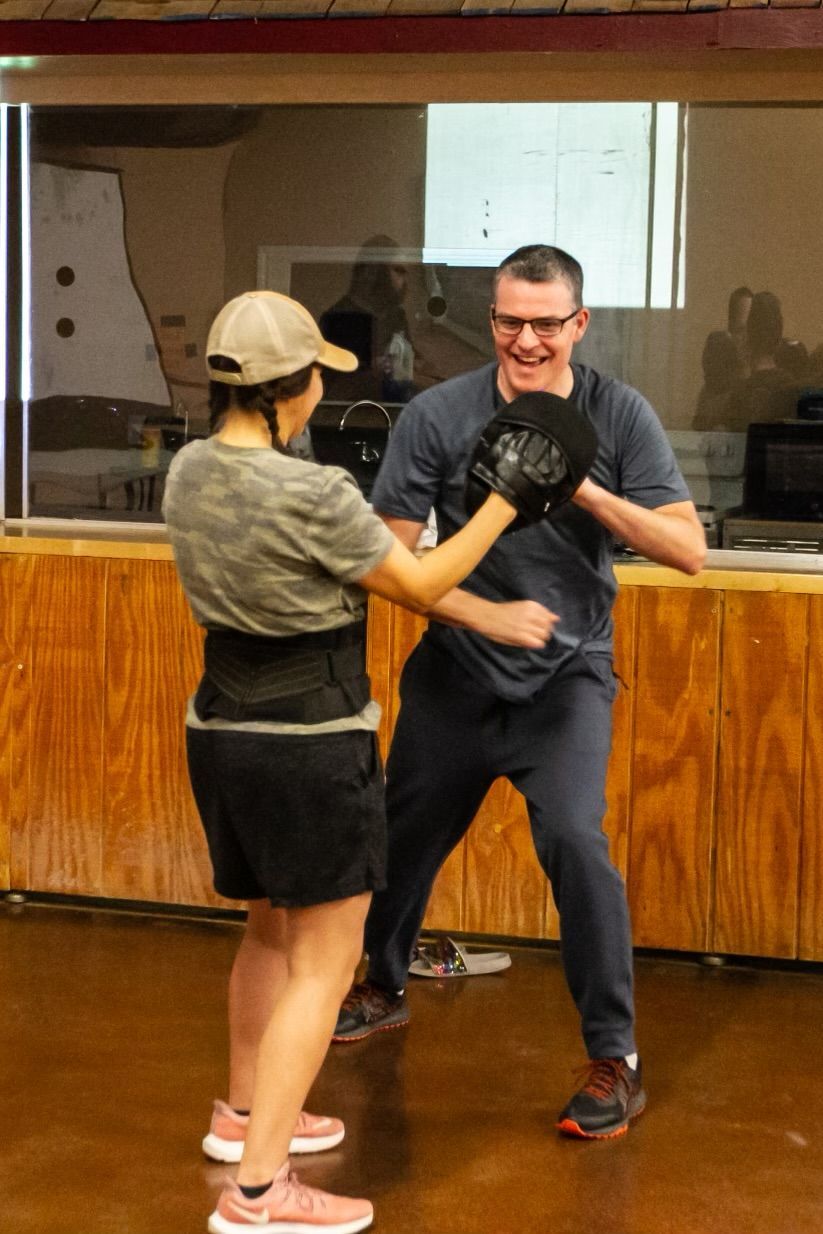
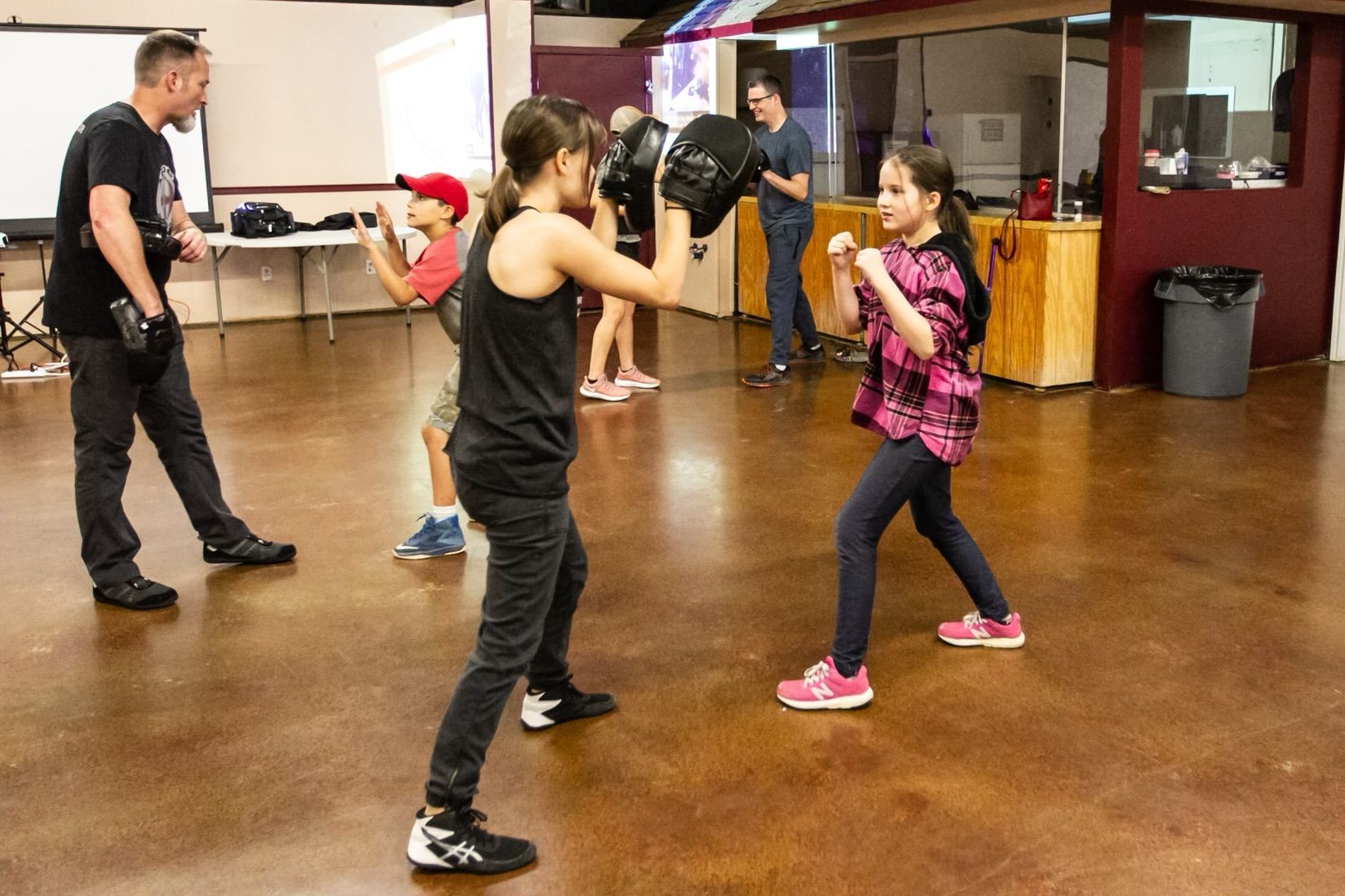
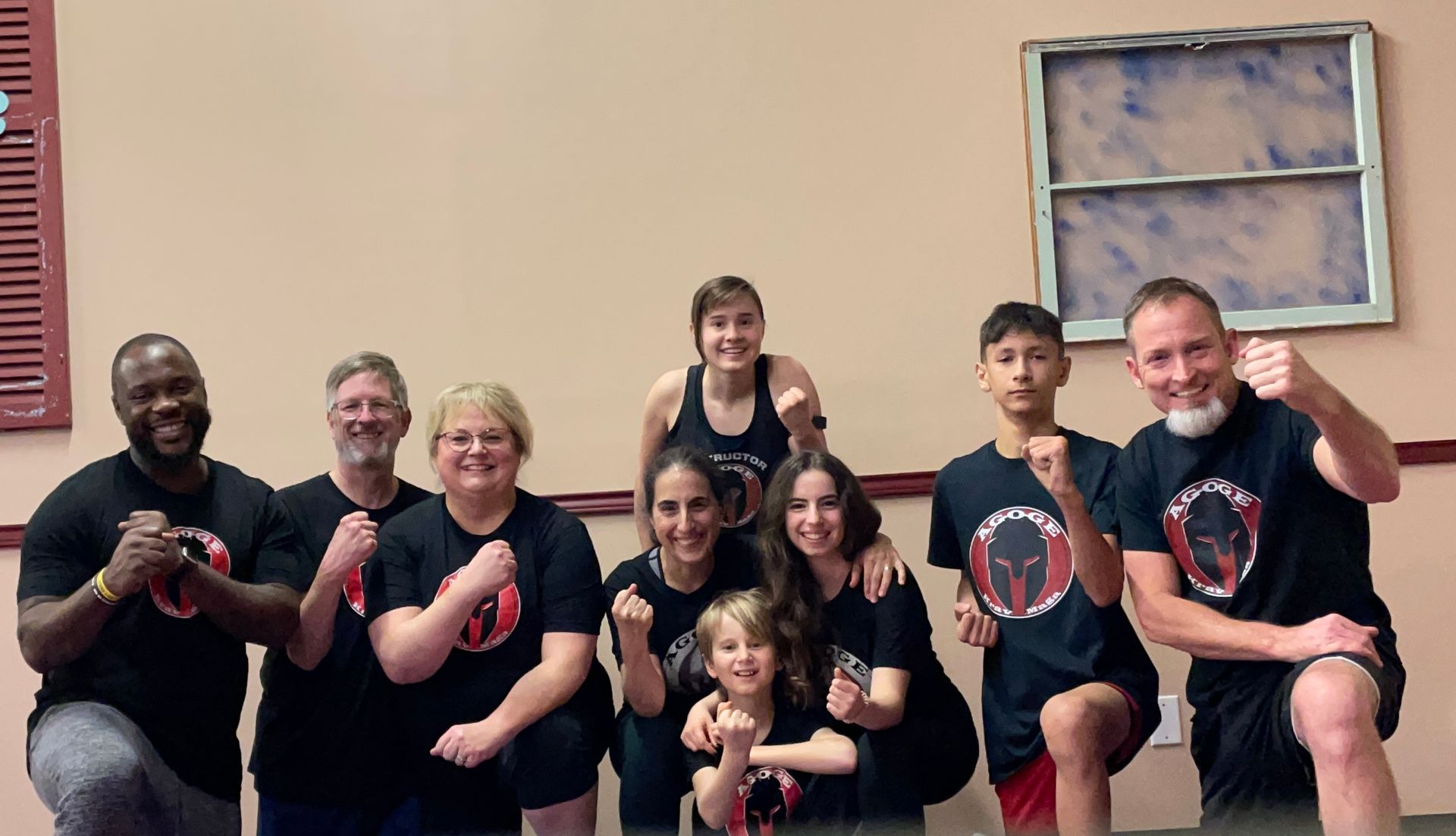
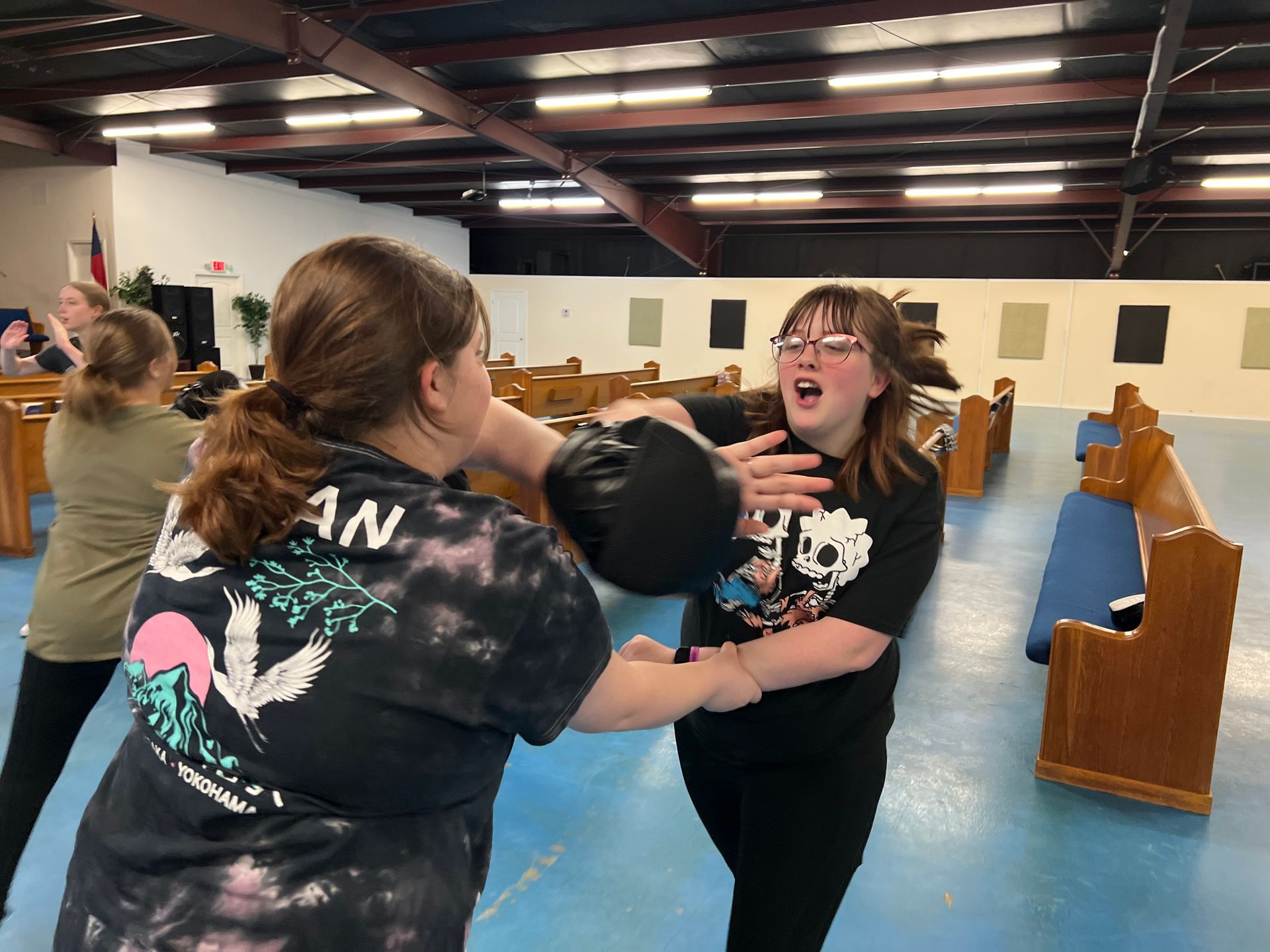
Krav maga training builds the habit of thinking clearly when your heart rate spikes and everything feels urgent. Pressure shows up in normal places first: a tense conversation at work, a near-miss in traffic, a crowded parking lot when you are already running late. Most of us do not need more motivation in those moments, we need better control. That is one reason we teach krav maga the way we do, with an emphasis on practical decision-making, not just learning techniques. Staying calm under pressure is not about being fearless. It is about recognizing what your body is doing, choosing an effective response anyway, and recovering quickly afterward. In our training, you practice that loop again and again until it starts to feel familiar, even when the pace picks up. If you are looking into krav maga in Lindale, the real question is not whether you can learn strikes or defenses. The question is whether you can apply them when your breathing is loud, your hands are sweaty, and your brain wants to rush. That is exactly where well-structured training makes a difference. What “calm” really means in real-world self-defense Calm is not a personality trait. Calm is a skill set: awareness, breathing control, posture, and simple choices repeated under stress. In practical self-defense, calm looks like noticing distance, keeping your balance, speaking clearly when you need to, and leaving before things escalate. Under pressure, the body tends to narrow attention. Your vision can tunnel. Your hearing can fade. Fine motor skills can drop. That is normal, and we plan for it. We build training around gross-motor movements and clear cues because those are the tools you can access when your pulse is up. We also treat calm as something you can measure. If you can keep moving with structure, protect your head, and make one clean decision at a time, you are calmer than you think. Our job is to help you practice those behaviors until they are reliable. Why pressure makes people freeze, and how we train past it Freezing is not weakness, it is a built-in response when the brain is overloaded. Most people freeze because they have not rehearsed what to do, or they have rehearsed it only in comfortable conditions. When stress hits, the brain grabs the most familiar pattern available, even if that pattern is “do nothing.” So we do not just “show” techniques and hope they stick. We teach you to recognize early signs of stress, then work through them in a controlled environment. Over time, your nervous system learns that pressure is not a dead end, it is a signal to act. One practical shift we focus on is moving from complexity to simplicity. Under stress, simple tools win. A small set of high-percentage actions, drilled consistently, is what tends to show up when you need it. How krav maga training builds calm in your body, not just your mind A lot of people try to think their way into calm. Training flips that around: we teach your body how to behave, and the mind follows. When you train krav maga regularly, you get used to elevated heart rate and fast decision-making without panic taking over. Physical intensity matters here. When you work hard, you get the physiological stress response on purpose: heavy breathing, fatigue, adrenaline. That becomes familiar instead of scary. The more familiar it is, the less it controls you. You also learn what “good enough” feels like. Under pressure, perfection is not the goal. Stability is. Balance is. Getting to safety is. We repeat those priorities so they become automatic. The classroom skills that transfer to real-life pressure It is easy to think self-defense is only about conflict. In reality, the biggest win is how you carry yourself the other 23 hours of the day. We see students improve focus, patience, and composure simply because training gives them a place to practice those qualities on purpose. We coach you to keep your base under you, to breathe through effort, and to stay aware of what is happening around you. Those habits show up everywhere: in meetings, parenting, driving, and stressful conversations. Pressure is pressure, the body does not care where it comes from. When you start responding instead of reacting, you feel the difference. Your shoulders drop sooner. Your thoughts get clearer faster. You recover from stress instead of dragging it around all evening. What we focus on in our krav maga classes in Lindale Our krav maga classes Lindale are built around progressive training. That means you start with fundamentals, then layer intensity and complexity as your comfort grows. We keep the environment supportive and structured, because that is how you learn faster and safer. We emphasize practical self-defense concepts: awareness, distance management, simple striking tools, and escaping common holds. And we connect those skills to realistic contexts so you understand the “why,” not just the “how.” Here are a few training elements that specifically help you stay calm under pressure: • Controlled intensity that gradually increases, so your nervous system adapts instead of shutting down • Clear, repeatable fundamentals that work under stress, not just when you feel fresh • Scenario-based rounds that teach you to make decisions with imperfect information • Coaching on breathing, posture, and recovery so you can reset quickly after effort • Partner drills that build timing and confidence while keeping safety and respect central That mix matters. Calm is not built by pep talks, it is built by reps. How we teach you to manage adrenaline and keep decision-making online Adrenaline is not the enemy. It can help you move, hit, and react quickly. The problem is when adrenaline takes the steering wheel and your choices get sloppy. So we train you to work with it. We use drills that elevate your heart rate, then require you to perform basic tasks correctly: protecting your head, moving off line, creating space, and disengaging. When you can do that while tired, you start trusting yourself. Trust reduces panic. Breathing is a big piece, and we talk about it in plain language. If your breath is high and fast, your brain reads danger. If you can slow your exhale even slightly, your body starts to downshift. We cue that constantly, because it works. We also teach simple decision rules. Under pressure, you do not need ten options. You need one good option, chosen quickly. Training gives you those default responses. The role of repetition, and why it changes confidence Confidence gets misunderstood. It is not pretending you are fine. It is knowing you have done the work and you can rely on it. Repetition is what creates that kind of confidence. In krav maga, repetition is not mindless. We repeat to build timing, balance, and consistency. We repeat so you can recognize patterns: what an incoming strike looks like, what a grab feels like, how to regain posture when you are pulled off-center. As those patterns become familiar, the “surprise” factor drops. Pressure becomes something you can manage, not something that steals your attention. That shift is subtle, but it is real, and it shows up outside the gym. What a typical class feels like when your goal is calm under pressure A good class should feel structured, but alive. You warm up, you drill fundamentals, and you build into higher effort rounds where you have to apply skills with movement and resistance. Then you cool down and leave feeling worked, but clearer. We keep instruction direct. If something is not working, we adjust it. If a detail makes you safer, we highlight it. And we keep you moving, because stress tolerance is trained through doing. You will also notice that training partners matter. A respectful training culture makes it easier to push yourself without ego getting in the way. When you can train hard and stay composed, you are practicing the exact skill you came for. Staying calm is also about boundaries and awareness The best self-defense outcome is avoiding the fight entirely. So we teach awareness as a skill, not a slogan. Awareness means noticing exits, reading body language, and trusting the early signals when something feels off. We also talk about boundaries. Calm under pressure often comes from giving yourself permission to act early: stepping away, using your voice, creating distance. Those choices are easier when you have practiced them in training, because they stop feeling awkward. This is one of the underrated benefits of krav maga in Lindale. You are not only learning how to respond to worst-case moments, you are learning how to prevent them with smart habits. A simple way to think about progress: from chaos to clarity Most beginners feel a little overloaded at first, and that is normal. New movements, new terms, new partners, new intensity. The goal is not to “get it all” in week one. The goal is to keep showing up until the chaos becomes organized. A practical progression we see looks like this: 1. You learn the basics and start moving with better balance and posture 2. You add pressure through timing, partner drills, and moderate resistance 3. You build composure under fatigue and start making faster, cleaner decisions 4. You gain the ability to reset quickly and stay focused when things get messy That final point is the payoff. Calm under pressure is the ability to reset. Ready to Train With Purpose in Lindale Building composure is not a mystery, it is a practice, and we built our training around that idea. At Agoge Krav Maga, we use progressive drills, realistic pacing, and coaching that helps you keep your head when your heart rate climbs. If you want more than just a workout, our krav maga classes are designed to give you repeatable tools for real-life pressure, whether that pressure shows up as physical conflict, everyday stress, or both. Agoge Krav Maga is here in Lindale to help you turn intensity into clarity. Experience first-hand how Krav Maga training can improve your confidence and capability by joining a free trial class at Agoge Krav Maga.