Train for real life while you build a stronger body and a calmer, sharper mind.
If you are searching for krav maga classes in Lindale, you are probably looking for more than a workout. You want training that feels practical, not performative, and fitness that carries over into the rest of your week. That is exactly why we structure our classes around real-world self-defense and functional conditioning, so you leave with skills you can use and a body that is steadily getting stronger.
We also keep the experience beginner-friendly. You do not need an athletic background, and you do not need to feel “ready” before you start. Our job is to meet you where you are, coach you through fundamentals safely, and help you build momentum one class at a time.
In Lindale, families, teens, and working adults often share the same goal: feel more capable in everyday situations without adding stress to an already full schedule. Our training is designed to do the opposite. It tends to clear your head, build confidence, and give you a better relationship with pressure.
Why Krav Maga Fits Lindale Life
Lindale is a tight-knit, family-centered community, and day-to-day safety concerns look a little different here than in bigger cities. You might be thinking about your teen dealing with bullying, staying aware in parking lots after dark, or feeling more prepared when you travel out of town. We train for those everyday realities, not for trophies.
Our approach stays rooted in self-defense principles that are easy to remember and reliable under stress. You will practice awareness, decision-making, and simple, direct techniques that hold up when your heart rate is high.
If you live near Hideaway, Swan, Garden Valley, Red Springs, or anywhere around Smith County, you will also appreciate that our program is built for consistency. You can train regularly without feeling like you need to rearrange your entire life to do it.
What You Actually Do in Krav Maga Classes
A lot of people hear “self-defense” and imagine chaos. Real training is more structured than that. We teach in a progressive way, with coaching, drilling, and safety built in so you can learn quickly and still feel in control of your pace.
Real-world self-defense scenarios
Our curriculum emphasizes practical responses to problems that show up in real life, including unarmed assaults, common grabs, and pressure-based confrontations. As you progress, we introduce higher-stakes scenarios like multiple attackers and weapon threats. The goal is not to memorize a hundred techniques. The goal is to build simple, repeatable responses that work.
Situational awareness and verbal skills
Self-defense is not only physical. We train you to notice what matters, manage distance, and recognize pre-attack cues. We also work on verbal de-escalation and boundary-setting because avoiding a fight is a win. If you have never practiced using your voice under pressure, it can feel awkward at first, but it becomes a real strength over time.
Stress training and emotional control
One of the most valuable parts of krav maga classes is learning to function when your nervous system is screaming. We coach breathing, posture, and decision-making in fast drills so you develop composure. You are not just learning to hit. You are learning to think clearly and act decisively.
Fitness Benefits You Can Feel Outside the Gym
Krav Maga is known for being intense, but intensity is only part of the story. The bigger advantage is that the fitness you build is functional. You are not training for a mirror. You are training for movement, power, and resilience.
Our classes blend striking, footwork, defensive movement, and conditioning in a way that challenges your entire body. Many students notice changes in energy and strength within a few weeks, especially if they show up consistently.
Here is what the physical side commonly improves:
• Cardiovascular endurance through high-tempo drills that elevate your heart rate in intervals
• Lean muscle development from repeated striking mechanics and bodyweight conditioning
• Core strength and balance from rotational power, stance work, and controlled movement under fatigue
• Coordination and reaction time through partner drills and timing-based combinations
• Mobility and flexibility as warmups and movement patterns reinforce joint range and control
You might also appreciate a practical detail: many Krav Maga training sessions can burn a significant amount of calories because they combine full-body movement with intensity. The exact number depends on your body and effort, but it is not unusual for people to feel like they just did both strength work and cardio in one session.
Mental Strength: The Part Most People Do Not Expect
Most people come for self-defense or fitness. Many stay because of what happens upstairs, mentally.
When you train consistently, you practice being uncomfortable in a controlled environment. That is basically a blueprint for mental toughness. You learn to manage adrenaline, stay present, and keep moving even when you feel tired or frustrated.
Confidence that is not performative
Confidence from training tends to be quiet. You are not pretending you can handle things. You know you can, because you have practiced. We see this shift in adults who want to feel safer and in teens who want steadier boundaries and a stronger sense of self.
Stress management that carries over
Hard training is a pressure valve. When you learn how to breathe, reset, and problem-solve while your heart rate is elevated, your day-to-day stress becomes easier to manage. That can show up at work, at home, and even in how you drive in traffic. Small things stop feeling quite as big.
Focus and decision-making under pressure
Our drills train attention. You learn to track distance, hands, movement, and timing. Over time, this improves your ability to stay focused when you are busy or when life is noisy. People often describe it as mental clarity, like someone turned down the static.
Beginner-Friendly Does Not Mean Easy
If you are nervous about starting, you are not alone. Many people worry about fitness level, coordination, or being the “new person.” We plan for that.
We coach fundamentals carefully: stance, movement, basic strikes, and simple defenses. You will work hard, but you will not be thrown into the deep end without support. We scale drills so you can challenge yourself safely while still making progress.
Here is what tends to make the first few weeks smoother:
1. Show up consistently, even if you do not feel “in shape” yet
2. Focus on clean technique before speed, because speed comes naturally later
3. Ask questions in class, since small adjustments make a big difference
4. Recover well with sleep and hydration, because training is only half the equation
5. Track progress by how you move and feel, not only by the scale
Our goal is to help you build a foundation that lasts, not to rush you through a checklist.
Youth and Teen Training: Fitness, Boundaries, and Resilience
In a community like Lindale, parents often look for training that supports confidence and safety without turning kids into aggressive fighters. That is not what we do. Our youth and teen programs emphasize awareness, boundary-setting, and practical skills in an age-appropriate way.
We also include anti-bullying concepts that matter in real situations: posture, voice, personal space, and when to get an adult involved. Physical techniques are part of it, but emotional control and decision-making are just as important.
For teens especially, training can be a reset button. It gives them structure, a supportive group, and a way to build competence that does not depend on social media approval. That is a relief for a lot of families.
A Supportive Community That Keeps You Consistent
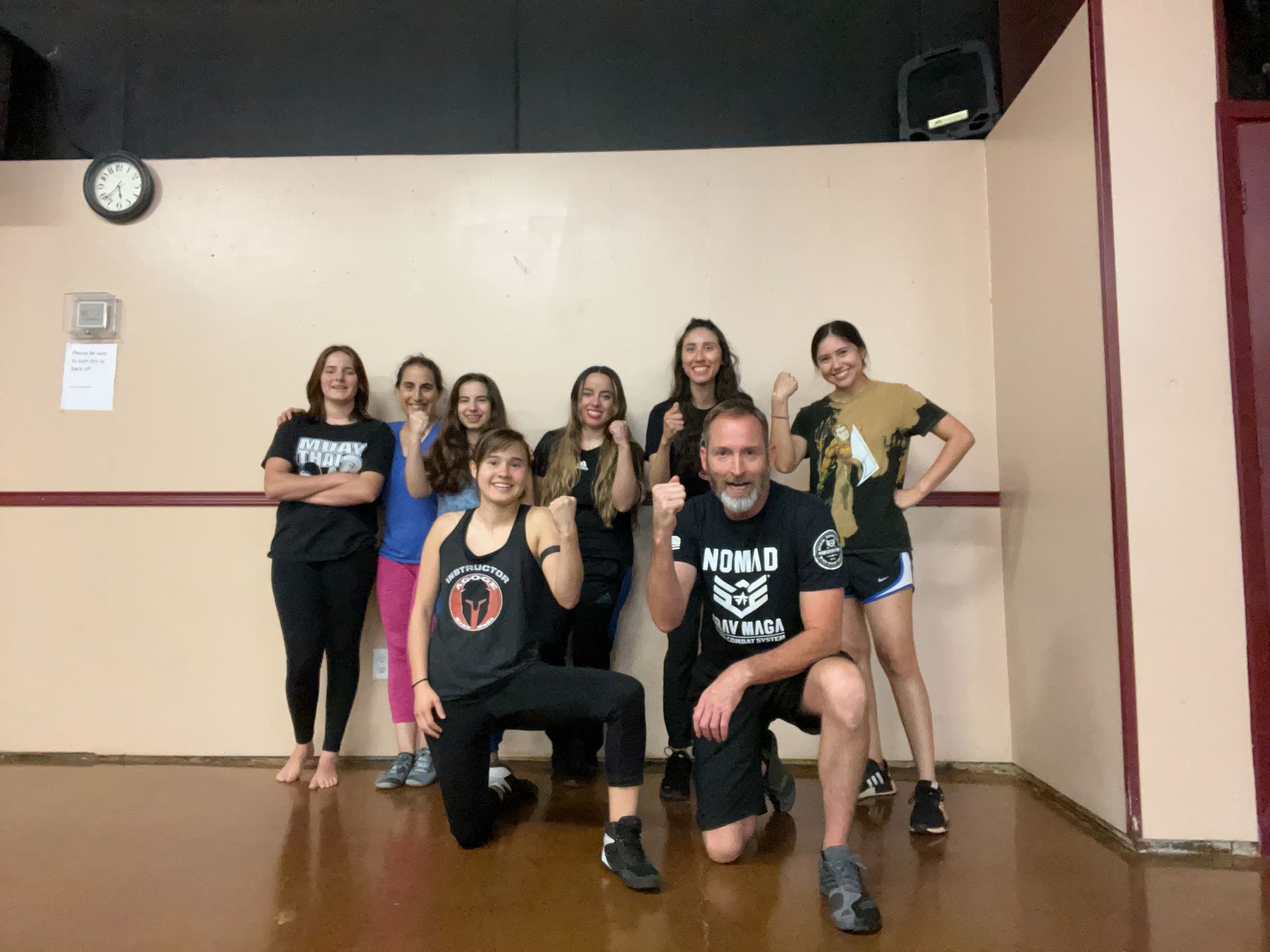
Consistency is what creates change, and community is what makes consistency easier. We keep a family-friendly environment where people encourage each other without turning class into a competition. You will train with partners, but you are not trying to “win” practice. You are building skill together.
Accountability also becomes a natural part of the process. When you start recognizing familiar faces and instructors know your goals, it is easier to keep showing up. You stop negotiating with yourself about whether you will train today. You just go.
And yes, you will sweat. Some days you will be tired before you even warm up. But you will leave feeling better than when you walked in, which is kind of the point.
Practical Takeaways You Can Use Right Away
Even if you are early in training, you can start applying self-defense principles immediately. We like giving you wins you can use in daily life, not just in class.
A few examples of what you can practice right away:
• Awareness habits like scanning parking lots and keeping your hands free when possible
• Distance management by noticing how close strangers stand and adjusting calmly
• Clear verbal boundaries, using a steady voice and simple phrases
• Posture and movement that signal confidence and readiness
• Stress resets, including breathing and unclenching your shoulders when tension spikes
These are small skills, but they add up fast, and they make you harder to target.
Take the Next Step
Training works best when it is consistent, practical, and supported by instructors who care about your progress. That is the standard we hold ourselves to at Agoge Krav Maga, and it is why our students often describe the program as both challenging and surprisingly approachable.
If you want krav maga classes that build real-world self-defense, functional fitness, and mental resilience in Lindale, we would love to help you get started. You can review the website, check the class schedule, and choose a first step that feels comfortable.
Challenge your body and sharpen your mindset with a free Krav Maga trial class today.